
Letters: What’s the Right Time to Eat Thanksgiving Dinner?
Readers weigh in on a surprisingly contentious topic: the correct time to start a Thanksgiving meal.
Readers weigh in on a surprisingly contentious topic: the correct time to start a Thanksgiving meal.

Teenagers in California respond to the story of a mother and son separated at the border.

The recent wildfires in California lead readers to debate the implications of private firefighting teams.
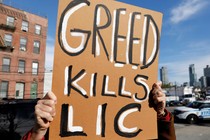
Readers criticize Amazon’s decision to locate its new headquarters in Virginia and New York—and the process that led to that choice.
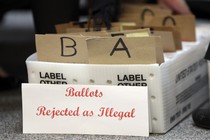
Readers respond to Jemele Hill’s account of her difficulty voting in Florida.
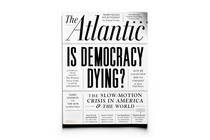
Readers respond to our October 2018 cover stories and more.

Readers consider the impact of travel teams on youth-sports participation.

Readers discuss the meaning of Fred Rogers’s famous advice to “look for the helpers.”

Readers respond to a Lord of the Rings–themed argument about erstwhile NeverTrumpers.
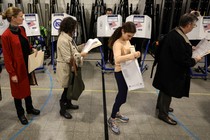
We asked readers of The Atlantic Daily to tell us about their experiences voting in the midterms.
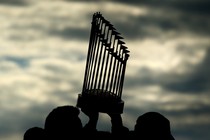
Readers discuss the 2018 World Series—and whether baseball’s current structure is hampering the pleasure of watching it.

Readers respond to Franklin Foer’s reflection on the Pittsburgh synagogue killings.

A reader responds to a look back at the film Practical Magic, two decades after its release.

Readers weigh in on the rise of the “Insta-poet.”

Readers discuss new research on why working women may be hesitant to talk up their accomplishments.

Readers discuss why social liberalism seems so prevalent in the culture industries.

Readers react to one steadfast Republican’s reasons for staying loyal to his party—in spite of the wounds inflicted by Donald Trump.

Readers grapple with the implications of Manhattan’s empty-storefront problem—for the city, and for urban life everywhere.

Readers respond to a new study showing that the majority of Americans reject PC culture.
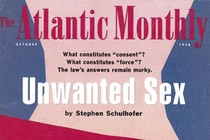
The author of a radical proposal in The Atlantic’s October 1998 issue revisits his argument—and the negative reactions to it.