This month could be the final chapter in a two-year saga that has turned Greece into the world's most dramatic financial collapse.
The Greek government is fracturing as riots sweep Athens and the government inches closer to defaulting on its debt, a development that could send Europe and the international financial community into turmoil.
Despite hundreds of billions of dollars in relief from the IMF and European Union, Athens is running out of money to pay back borrowers of its sovereign debt. This could be the last chapter in a two year saga that has turned Greece into the developed world's financial sob story. If you want to catch up, here are a few ways to do it. Read:
Why it matters for you: Even the United States wouldn't be spared from the worldwide financial panic if Greece defaults.
Why it matters to the European Union: Default could set off a domino effect by sending other country's debt yields soaring, leading to their own eventual default.
Why it matters to the Greeks: Default would cause the collapse of the Greek financial sector ... but it might help their economy in the long term.
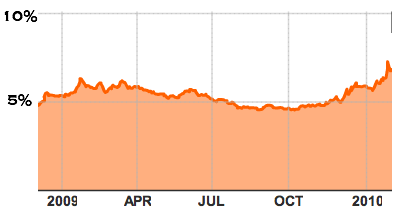
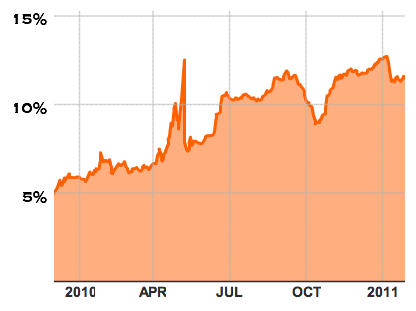
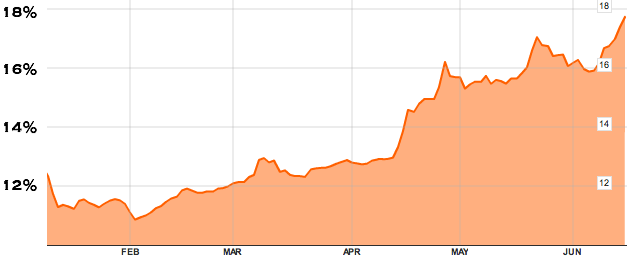
To get the full sweep of the events that led to the brink of default, here's a year-by-year timeline that lets you follow the vertiginous journey of bond yields on Greece's 10-year debt note.
2009: The Crisis Begins
Jan 14: Citing worries about government finances, S&P downgrades outlook on Greek debt to A-.
Sept 2: Government announces election to be held next month.
Oct 4: George Papandreou elected Prime Minister.
Nov 5: Greek government announces that real budget deficit is 12.7% of GDP, 3X previous report.
Dec 8: Fitch Ratings downgrades Greece to BBB+; S&P and Moody's soon follow.
___
2010: After Disaster, a Donation
Jan 14: Papandreou announces plans to cut the deficit to 3% by 2012
Mar 5: Greek Parliament passes austerity bill. Public sector pay cut, taxes rise.
Apr 11: EU leaders propose an aid package of up to €30 billion in loans.
Apr 23: Greek government officially requests the loan's activation.
Apr 28: S&P downgrades Greek debt to "junk."
May 8: The EU and the IMF approve a rescue plan worth €110 billion.
Aug 12: Government announces economy shrunk 3.5% in the second quarter. Unemployment to 12.5%.
Sept 7: European finance ministers announce second round of bailouts for Greece.
Nov 28: Ireland accepts an IMF/EU bailout. Negotiations send Greek yields higher.
___
2011: The Brink of Default
Mar 29: S&P further downgrades Greece, raising questions of a debt restructuring or default.