
The 3 Things That Make Organizations More Prone to Sexual Harassment
Nothing's foolproof, but there are research-proven changes companies could make.
Nothing's foolproof, but there are research-proven changes companies could make.

The workweek got off to a weird start when two people showed up expecting to fill the role of acting director at the Consumer Financial Protection Bureau.

As a college education becomes increasingly important in today’s economy, it’s girls, not boys, who are succeeding in school. For kids from poor families, that can make the difference between social mobility and a lifetime of poverty.

The trend is a departure from the traditional model of donation—and could affect how large sums of money are put to use.
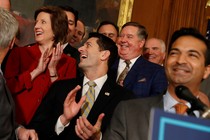
The public seems to be against the plan precisely because they know what’s in it.
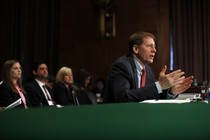
By appointing a new deputy director before resigning, Richard Cordray is signaling that the Bureau has no intention of letting the president name his own acting director.
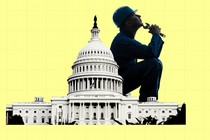
The latest version, passed by the House, would further cut government funding for professional training programs.
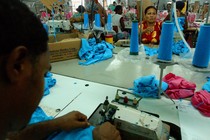
Sarah Adler-Milstein, a labor advocate, argues “there’s absolutely no reason” the world’s biggest clothing brands couldn’t follow the example of Santo Domingo’s Alta Gracia.

For years Arlington was the largest metropolis with no major transportation system. Now, it’s experimenting with microtransit in lieu of more-conventional options.

Advocates say worker training is key to economic stability—but can they convince the federal government it’s worth the money?
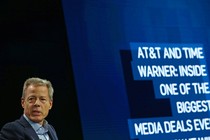
The lawsuit may pit AT&T and Time Warner against the Justice Department. But it's the tech industry that might suffer the most.

A nonprofit helping wealthy young progressives become active philanthropists has gained new life under the Trump administration.
For the cost of cutting corporate income taxes, the U.S. could provide universal pre-K and make tuition free at public colleges for nonaffluent students.

New projects in the shells of former Sears warehouses reveal much about America’s urban history—and its future.

Want to become a florist in Louisiana? A home-entertainment installer in Connecticut? Or a barber anywhere? You’re going to need a license for that—and it’s going to cost you.
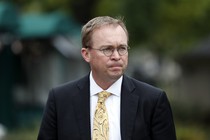
Mick Mulvaney, the controversial head of the OMB, might soon direct the Consumer Financial Protection Bureau, an agency he once called “a sick, sad joke.”

“Five years from now, we won’t be debating whether ‘e-tailers’ are taking share from brick-and-mortar retailers, because they are all the same.”
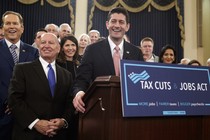
The House on Thursday approved its legislation in a surprisingly drama-free vote. But hurdles await in the Senate.

Automation and globalization are making some workers’ skills obsolete. Why can’t the federal government figure out how to successfully prepare Americans for the future?
The new Senate plan would have cuts for individuals go away in eight years but make them permanent for corporations.