
Busting the Myth of ‘Welfare Makes People Lazy’
Cash assistance isn’t just a moral imperative that raises living standards. It’s also a critical investment in the health and future careers of low-income kids.
Cash assistance isn’t just a moral imperative that raises living standards. It’s also a critical investment in the health and future careers of low-income kids.

Large corporations are vilified in a way that obscures the innovation they spur and the steady jobs they produce.

Trump’s top economic advisor almost quit after the president’s handling of Charlottesville. Now he’s resigning over a populist rebellion in the White House.

… and Napa Valley is forever changing as a result.
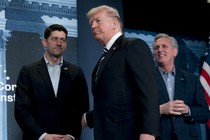
Congress has the power to block the president’s proposed tariffs on steel and aluminum. Why aren’t lawmakers using it?

How a farcical series of events in the 1880s produced an enduring and controversial legal precedent

How can local businesses compete with a company so local it lets people shop from their couches?

The president says they'll protect American jobs and bolster national security. They'll likely do neither.

How one product helps illustrate the American president’s worldview

Racida Eslabon came to the U.S. expecting to send money back home to the Philippines. She still hasn’t told her mother what happened after she arrived.

Steep transaction fees and wild price fluctuations have made the cryptocurrency harder to use in the illicit markets that originally made it famous.

The law’s role in boosting wages was overblown. Its deficits are scaring investors. And fears that it might accelerate inflation could push the Federal Reserve to choke off growth.

He isn’t going to like it: It’s more immigration.

The politicization of the public sphere is compelling nonpartisan companies to take one partisan stand after another.

A new book pieces together the strange legal saga that was sparked by a 2007 Gawker post outing the billionaire tech investor Peter Thiel.

Many seniors are stuck with lives of never-ending work—a fate that could befall millions in the coming decades.
Tech analysts are prone to predicting utopia or dystopia. They’re worse at imagining the side effects of a firm's success.

As the example of Seattle shows, it helps when employers try to persuade workers not to drive.

The political scientist Virginia Eubanks worries that technology is providing “the emotional distance that’s necessary to make what are inhuman decisions.”

The company’s unusual offer—to give employees up to $5,000 for leaving—may actually be a way to get them to stay longer.