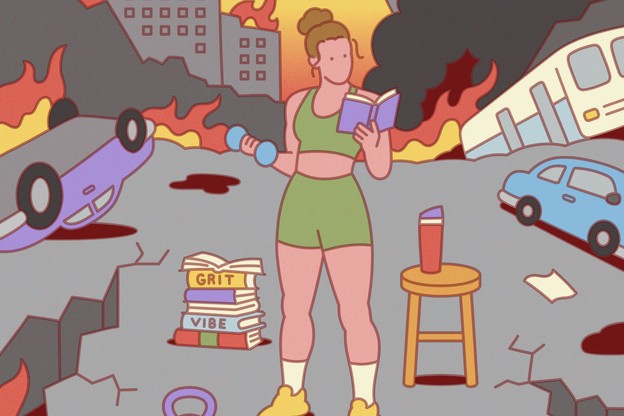
Forget Grit
Even the luminaries of the self-help genre have begun to recognize how little in life we can actually control.
Introducing The Atlantic’s expanded books coverage: essays, criticism, fiction, poetry, and recommendations from our writers and editors
Even the luminaries of the self-help genre have begun to recognize how little in life we can actually control.

At 40, the brand faces a midlife crisis.

Why politicians are betting on ever more moralizing language

A new book by the hosts of Who? Weekly scrutinizes how social media democratized fame.

Harold Cruse had a prescient understanding of why social movements stumble—and how they might find more success.

Centuries of joyous, tragic, tantalizing, enduring fiction

These titles are no longer fashionable, if they ever were—but should you manage to read one, you might love it.

These books can ease readers into a season of work and hard thinking.

You won’t even have to leave your couch.

Our culture editors’ weekly guide to the best in books.

A short story

A short story

A short story

Beneath all the alienation, The Catcher in the Rye, which turns 75 this year, has a surprisingly hopeful—and ethical—outlook.

A new book sheds some light on the death of Jordan Neely and the trial that divided a post-pandemic city.

The Babydust Method features advice debunked decades ago. Why have tens of thousands of people bought in?

A poem

The translator spoke about her desire to retranslate the epic—and her harsh review of the recent film.

The more we know about the world’s most powerful weapons, the better our chances of containing them.

Timothy W. Ryback explains the contemporary lessons of Hitler’s rise.

Maggie Haberman and Jonathan Swan explain how the four years between Donald Trump’s first and second terms changed the presidency.

A famous documentarian’s new book suggests that secrecy is a major impediment to sensible nuclear policy.

A new book suggests that arguing isn’t about winning but seems preoccupied with it anyway.

Emily St. John Mandel’s latest work of science fiction considers the tenuousness of any possible future.